
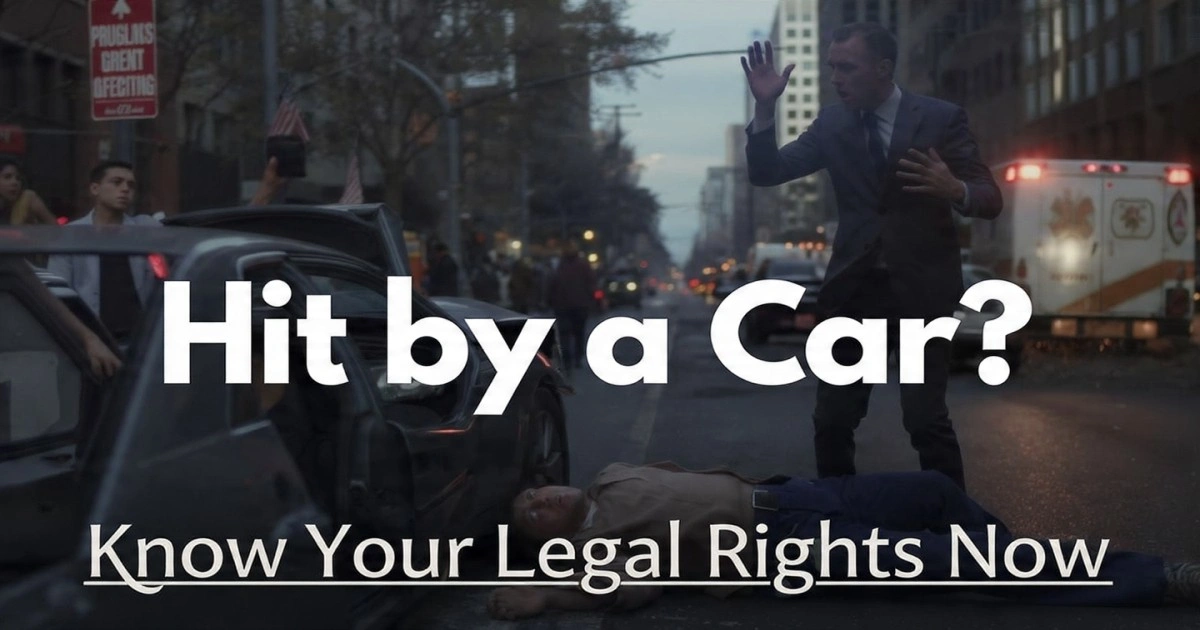
Pedestrian Accident Lawyer: Know Your Rights After a Crash
I’ve spoken with people who remember every second of their accident—and others who only remember waking up in a hospital bed. Either way, one thing is always the same: they didn’t see it coming.
If you’ve been hit by a car while walking, you’re probably dealing with pain, confusion, and a lot of questions. Medical bills start showing up fast. Insurance calls begin. And suddenly, you’re expected to make decisions you’re not prepared for.
This is exactly where a pedestrian accident lawyer steps in.
In this guide, I’ll break things down in simple terms—based on real experiences, not textbook theory—so you understand your options and avoid costly mistakes.
Why a Pedestrian Accident Lawyer Matters More Than You Think
After an accident, most people assume insurance will “handle it.” That sounds good—but it’s not how it usually works.
Insurance companies are businesses. Their goal is to pay as little as possible.
What a Lawyer Actually Does for You
- Builds a strong case using real evidence
- Handles all communication with insurers
- Calculates what your claim is really worth
- Pushes back when low offers come in
- Takes your case to court if needed
A Quick Story
One person I came across accepted a fast settlement because they were worried about bills. A few months later, their injury got worse—and they couldn’t reopen the case.
That’s the risk of going in without proper guidance.
Common Causes of Pedestrian Accidents (And What They Mean for Your Case)
Not every accident is just “bad luck.” Most have clear causes—and proving that is key.
What Usually Goes Wrong
- Drivers checking phones instead of the road
- Speeding in busy areas
- Ignoring crosswalks
- Driving under the influence
- Poor lighting at night
Why This Matters
If you can show the driver was careless (legally called negligence), your case becomes much stronger.
I’ve seen situations where a single traffic camera clip changed everything.
Who Is Responsible? It’s Not Always Obvious
In many cases, the driver is at fault—but not always 100%.
Possible Responsible Parties
- The driver
- A company (if it was a work vehicle)
- Local authorities (bad road design or signals)
- Another driver who caused the situation
Shared Fault Happens
Let’s say you crossed outside a crosswalk, but the driver was speeding.
You might still win compensation—but it could be reduced.
That’s why details matter more than people think.
What You Should Do Right After the Accident

This part is critical—and honestly, most people don’t do it right.
Smart Steps to Take
- Call emergency services immediately
- Get medical attention—even if you feel “okay”
- Take photos or videos if possible
- Get names of witnesses
- Stay calm and avoid arguing
Important Advice
Adrenaline can hide injuries. I’ve seen people walk away from accidents, only to discover serious issues days later.
Always get checked.
Understanding Compensation (What You Can Actually Claim)
This is one of the most misunderstood parts.
A claim isn’t just about hospital bills.
Financial Losses (Economic Damages)
- Emergency care and hospital bills
- Ongoing treatment or therapy
- Lost income from missed work
Personal Impact (Non-Economic Damages)
- Pain and suffering
- Mental stress or anxiety
- Changes in your daily life
Serious Cases
- Long-term disability
- Permanent injury
- Loss of a loved one (wrongful death claims)
How Much Is a Pedestrian Accident Case Worth?
There’s no fixed number—and anyone who gives you one too quickly is guessing.
What Affects the Value
- How serious your injuries are
- Cost of treatment
- Whether you can work again
- Long-term impact on your life
Simple Breakdown
| Situation | Possible Compensation |
|---|---|
| Minor injury | $5,000 – $20,000 |
| Moderate injury | $20,000 – $100,000 |
| Severe injury | $100,000+ |
These are general ranges—but real cases can go much higher depending on circumstances.
Handling It Yourself vs Hiring a Lawyer
Some people try to manage claims on their own. It’s understandable—but often risky.
| Factor | With Lawyer | On Your Own |
|---|---|---|
| Settlement | Usually higher | Often lower |
| Stress | Much less | Very high |
| Knowledge | Professional | Limited |
| Negotiation Power | Strong | Weak |
Reality Check
Insurance adjusters do this every day. Most people don’t.
That gap matters.
Mistakes That Can Hurt Your Case (Avoid These)
I’ve seen strong cases fall apart because of small errors.
❌ Ignoring Medical Care
No records = weak claim.
❌ Taking the First Offer
It’s rarely the best one.
❌ Posting Online
Even innocent posts can be used against you.
❌ Waiting Too Long
Evidence fades. Witnesses forget.
❌ Talking Too Freely to Insurance
They may use your words to reduce your payout.
Choosing the Right Pedestrian Accident Lawyer
This decision can change everything.
Look For Someone Who:
- Focuses on personal injury cases
- Has real results, not just promises
- Explains things clearly
- Works on a contingency basis
Simple Test
If they rush you or avoid your questions, that’s a red flag.
A good lawyer should make you feel informed—not pressured.
Pros & Cons of Hiring a Lawyer
✅ Pros
- Better compensation outcomes
- Strong legal support
- Less stress during recovery
❌ Cons
- They take a percentage of the settlement
- Some cases take time to resolve
Still, in most real-world situations, the benefits outweigh the downsides.
How Long Does It Take to Settle a Case?
Patience is part of the process.
Typical Timelines
- Straightforward cases: a few months
- Moderate cases: 6–12 months
- Complex cases: over a year
Honest Insight
Faster settlements are usually smaller. Proper cases take time because they’re built carefully.
Don’t Miss the Deadline (Statute of Limitations)
Every state has a legal deadline to file your claim.
Usually, it’s between 1 to 3 years.
Miss it—and you may lose your right to compensation completely.
This happens more often than people expect.
Practical Tips from Real Experience
- Keep every medical bill and record
- Write down how you feel each day (pain journal)
- Follow your doctor’s instructions
- Don’t guess facts—stick to what you know
- Never sign anything without understanding it
These small habits can make a big difference later.
FAQs (People Also Ask)
1. Do I really need a pedestrian accident lawyer?
If injuries or costs are involved, yes. It improves your chances of fair compensation.
2. How do lawyers get paid?
Most work on a contingency basis—you pay only if you win.
3. What if I was partly at fault?
You can still recover money, but the amount may be reduced.
4. Can I still file a claim if the driver has no insurance?
Yes, there may be other options like uninsured motorist coverage.
5. How long before I receive compensation?
It varies, but most cases take several months to over a year.
6. Should I talk to the insurance company?
Be careful. It’s better to consult a lawyer first.
Conclusion: Take Control of What Happens Next
A pedestrian accident can leave you feeling powerless—but your next steps matter more than you think.
Here’s the simple approach:
- Get proper medical care
- Document everything
- Don’t rush into settlements
- Speak with a qualified pedestrian accident lawyer
From real experience, the biggest difference between a weak claim and a strong one is timing and decisions early on.
You don’t have to figure it all out alone—but you do need to act wisely.