

Visa Lawyer USA: Complete Guide to Immigration, Costs & How to Choose
Immigration to the United States feels exciting but overwhelming. Forms, rules, deadlines, and ever-changing policies create stress for families, workers, and students alike. Many people wonder if they can handle it alone or if they should hire professional help.
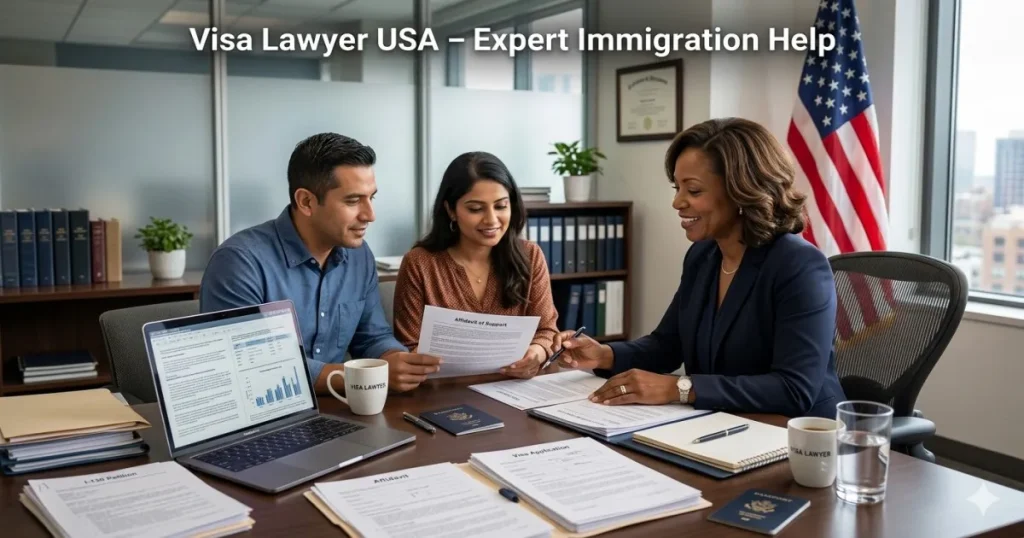
A qualified visa lawyer USA guides you through the process, reduces rejection risks, and saves time. They handle everything from simple tourist visas to complex employment or family-based cases. This guide shares real-world insights to help you decide when to hire one and how to choose the best fit.
What Does a Visa Lawyer USA Actually Do?
A visa lawyer, also called an immigration attorney, specializes in U.S. immigration law. They advise on legal options, prepare and file petitions with USCIS (U.S. Citizenship and Immigration Services), prepare you for interviews, and represent you in appeals or removal proceedings.
Unlike general lawyers or “notarios” (who may offer services in Spanish-speaking communities but lack full U.S. legal qualifications), a true visa lawyer USA holds a law degree, passed a state bar exam, and stays current with immigration rules.
Real-life example: Maria, a teacher from Mexico, tried filing her fiancé’s K-1 visa herself. A small paperwork error delayed the case by months. After hiring a visa lawyer, the application sailed through on the second try. The lawyer caught issues she never knew existed.
When Do You Need a Visa Lawyer USA?
You don’t always need one for the simplest cases. Straightforward tourist visas (B-1/B-2) or basic extensions might work with careful DIY effort. However, professional help becomes valuable—or essential—in many situations:
- Complex visas — H-1B work visas, L-1 transfers, or O-1 extraordinary ability petitions often involve employer sponsorship and strict requirements.
- Family-based immigration — Marriage green cards, fiancé visas, or petitions with prior overstays.
- Issues like denials or RFEs — A Request for Evidence means USCIS needs more proof; a lawyer strengthens your response.
- Deportation or removal proceedings — Court representation can make the difference between staying and leaving.
- Criminal history or inadmissibility — Waivers require expert strategy.
- Employment or investment visas — EB-5 investors or EB-1/EB-2 professionals benefit from experienced handling.
Practical insight: If your case has any “red flags”—previous visa denials, gaps in status, or complicated family ties—consult a visa lawyer USA early. Fixing problems later costs more in time, money, and stress.
Types of U.S. Visas and When a Lawyer Helps Most
U.S. visas fall into two main categories: non-immigrant (temporary) and immigrant (leading to green cards).
Common Non-Immigrant Visas:
- B-1/B-2: Business or tourism
- F-1/M-1: Students
- H-1B: Specialty occupations
- K-1: Fiancé(e)
- L-1: Intracompany transferees
Immigrant Visas (Green Card Paths):
- Family-sponsored (spouses, children, parents, siblings)
- Employment-based (EB-1 to EB-5)
- Diversity Lottery
- Asylum/refugee status
Lawyers prove especially helpful with capped or lottery-based visas like H-1B, where strategy and timing matter, or family cases needing thorough relationship evidence to avoid fraud accusations.
How to Find and Choose the Right Visa Lawyer USA
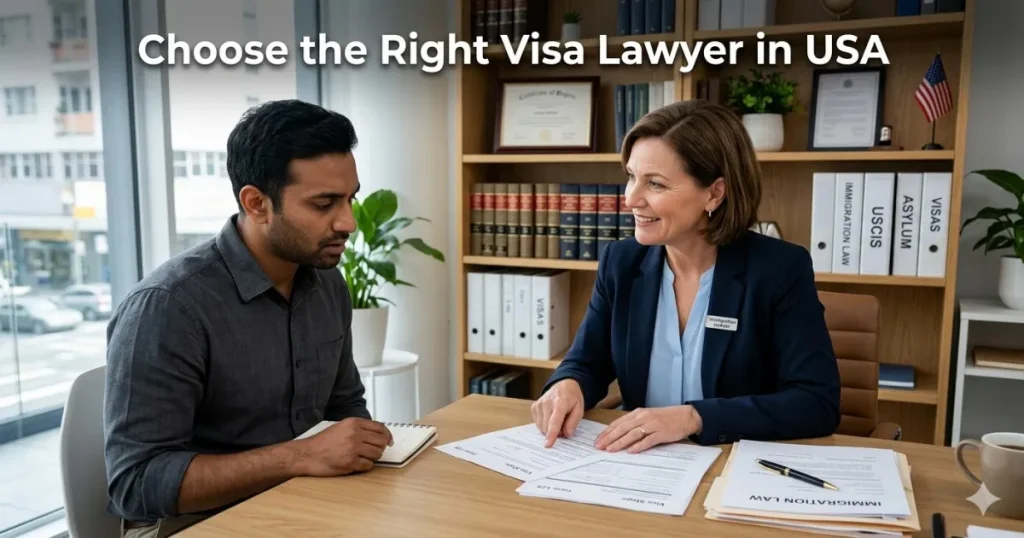
Finding a trustworthy professional requires research. Here’s a step-by-step approach:
- Verify Credentials — Confirm they are licensed in their state via the state bar website. Check for any disciplinary actions.
- Look for Specialization — Choose someone who focuses primarily on immigration law, not a generalist handling divorces or real estate on the side.
- Check AILA Membership — The American Immigration Lawyers Association (AILA) connects experienced professionals committed to staying updated. Search their directory at ailalawyer.com.
- Read Reviews and Ask for Referrals — Look at Google reviews, Avvo, or client testimonials. Talk to friends, community groups, or other immigrants who succeeded.
- Schedule Consultations — Meet at least 2-3 lawyers. Ask about experience with your exact visa type, success rates, and who will handle your case (the lawyer or paralegals).
- Evaluate Communication — Pick someone who explains things clearly, responds promptly, and makes you feel comfortable.
Warning: Avoid anyone promising guaranteed approval or charging unusually low fees—these are often red flags for scams or unqualified providers.
Costs: What to Expect When Hiring a Visa Lawyer USA
Fees vary widely based on case complexity, lawyer experience, and location. Many use flat fees rather than hourly rates for predictability.
Typical Ranges (Attorney Fees Only, Excluding Government Filing Fees):
- Simple visa or adjustment: $1,000 – $3,000
- H-1B or K-1 fiancé: $2,500 – $7,000
- Family green card with complications: $5,000 – $10,000+
- Deportation defense or waivers: $5,000 – $15,000 or more
Government filing fees add thousands more (e.g., I-485 adjustment can exceed $1,000+). Always get a written agreement detailing what’s included.
Expert Tip: Compare total package quotes. A slightly higher fee that includes all communications and follow-ups often proves cheaper than surprise add-ons later.
Pros and Cons of Hiring a Visa Lawyer USA
Pros:
- Higher approval chances through proper preparation
- Time savings and reduced stress
- Expert handling of complications or appeals
- Peace of mind knowing your case follows current laws
Cons:
- Adds significant cost
- Not every lawyer delivers equal quality (research is key)
- Some straightforward cases succeed without one
In most complex scenarios, the pros far outweigh the cons—especially when mistakes could lead to long delays or permanent bars.
Common Mistakes People Make (And How to Avoid Them)
- DIY with incomplete information — Missing supporting evidence leads to RFEs or denials.
- Hiring the cheapest option — Low cost often means low experience.
- Waiting until problems arise — Early consultation prevents bigger issues.
- Ignoring red flags — Like poor communication or pressure to pay upfront without a contract.
- Not reviewing the retainer agreement — Understand exactly what services are covered.
Solution: Prepare questions in advance and trust your instincts during consultations.
Expert Tips from Real Immigration Practice
- Start gathering documents early—tax returns, birth certificates, employment letters.
- Be honest about your full history; lawyers can strategize around issues but can’t help if you hide problems.
- Keep copies of everything and maintain your own organized file.
- Stay in regular contact with your lawyer but respect their time—unnecessary calls add up.
- If something feels off during the process, ask for clarification immediately.
Actionable Advice: Even if you decide to go solo, consider a one-time consultation with a visa lawyer USA for a case review. Many offer affordable initial sessions.
FAQs About Visa Lawyer USA
1. Is a visa lawyer required for every application?
No. Simple cases can succeed without one, but complex or high-stakes applications benefit greatly from professional help.
2. How long does the immigration process take with a lawyer?
It depends on the visa type and current backlogs. A lawyer helps move things efficiently but cannot control government processing times.
3. Can a lawyer guarantee visa approval?
No ethical lawyer can guarantee results. They can improve your chances significantly with strong preparation.
4. What if my visa application was already denied?
A visa lawyer USA can review the denial and help with appeals, motions to reopen, or new applications with better evidence.
5. How do I check if a lawyer is legitimate?
Verify bar licensing, check AILA membership, review client feedback, and confirm no disciplinary history.
6. Should I bring a lawyer to my USCIS interview?
Usually not necessary for straightforward cases, but helpful if you have concerns or need support explaining complicated details.
7. Are virtual consultations okay?
Yes—many experienced lawyers offer them, especially post-pandemic, making quality help accessible nationwide.
Conclusion: Take the Next Smart Step with a Visa Lawyer USA
Navigating U.S. immigration alone is possible for some, but partnering with a skilled visa lawyer USA often leads to smoother, faster, and more successful outcomes. The right attorney acts as your advocate, strategist, and guide through a complicated system.
Start by clarifying your goals, researching options, and booking a few consultations. Ask tough questions and choose someone you trust. Whether you’re bringing family, advancing your career, or pursuing the American dream, professional guidance helps turn paperwork into progress.