
Bad Faith Insurance Lawyer: What to Do When Your Claim Is Denied
Imagine you’ve paid your insurance premiums on time for years. You finally get into a car accident or suffer storm damage to your home, and you think, “It’s okay, that’s why I have insurance.”
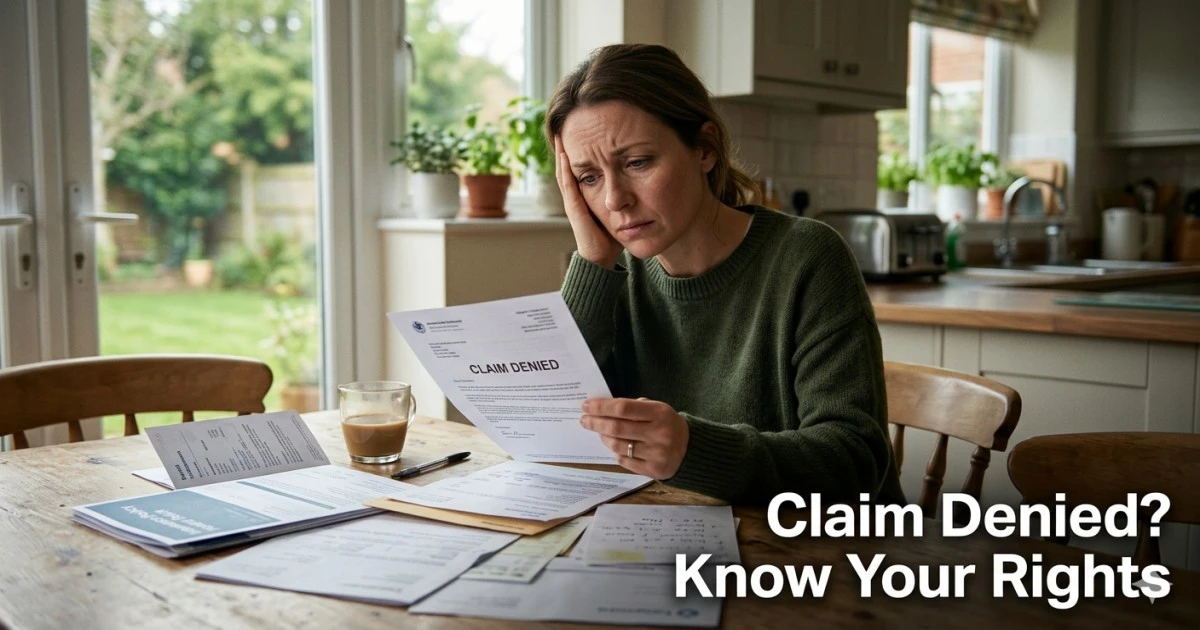
Then, the letter arrives. Denied. Or maybe they offer you a “settlement” that wouldn’t even cover half the repairs.
It feels like a betrayal. You did your part, but they aren’t doing theirs. This is where the concept of “bad faith” comes in. In this guide, we’ll talk about what that means, how to spot it, and how a bad faith insurance lawyer can help you level the playing field.
What Exactly is “Bad Faith”?
In the legal world, every insurance contract has an “implied covenant of good faith and fair dealing.” That’s a fancy way of saying the insurance company is legally required to be honest with you and play fair.
When they break that promise—not just by making a mistake, but by intentionally trying to avoid paying a valid claim—it’s called bad faith.
Common Signs Your Insurer is Acting in Bad Faith
- Unreasonable Denials: They say no without giving a clear, valid reason based on your policy.
- The “Slow Walk”: They take months to respond to simple emails or phone calls, hoping you’ll just give up.
- Failure to Investigate: They deny the claim without even sending an adjuster to look at the damage.
- Lowballing: They offer a settlement that is insultingly low compared to the actual costs.
- Changing the Rules: They try to use “fine print” that wasn’t there or misinterpret their own policy language.
Why Hiring a Bad Faith Insurance Lawyer Changes Everything
Most people try to fight insurance companies alone. I’ll be honest: it’s like bringing a toothpick to a swordfight. These companies have teams of adjusters and lawyers whose only job is to protect the company’s bottom line.
A bad faith insurance lawyer knows their playbook. Here is how they actually help:
- Policy Interpretation: Lawyers can read that 60-page PDF of “legalese” and find exactly where the company is breaking its own rules.
- Evidence Gathering: They know how to demand internal emails and records that show why your claim was really denied.
- Negotiation Power: Insurance companies take you more seriously when a law firm’s letterhead lands on their desk.
- Recovering More Than Just the Claim: In a bad faith lawsuit, you might be able to recover “punitive damages”—extra money meant to punish the company for being dishonest.
Comparing Your Options: Alone vs. With a Lawyer
| Feature | Handling it Yourself | Hiring a Specialist Lawyer |
| Knowledge level | Basic/Intermediate | Expert / Deep Legal Knowledge |
| Stress level | Very High | Much Lower (they handle the calls) |
| Timeline | Can drag on for years | Usually faster due to legal pressure |
| Potential Payout | Just the claim amount (maybe) | Claim amount + interest + damages |
| Upfront Cost | $0 | Usually $0 (Contingency basis) |
Pros and Cons of Pursuing a Bad Faith Case

The Pros
- Justice: You hold a billion-dollar company accountable for their actions.
- Full Compensation: You don’t just get the “minimum”; you get what you are actually owed.
- Peace of Mind: You stop being the “middleman” in stressful negotiations.
The Cons
- Time: Even with a lawyer, the legal process can take several months.
- Emotional Toll: Revisiting the accident or damage can be draining.
- Legal Fees: Most lawyers take a percentage of the final settlement (though you usually don’t pay if you lose).
Real-Life Example: The “Delayed Roof” Trick
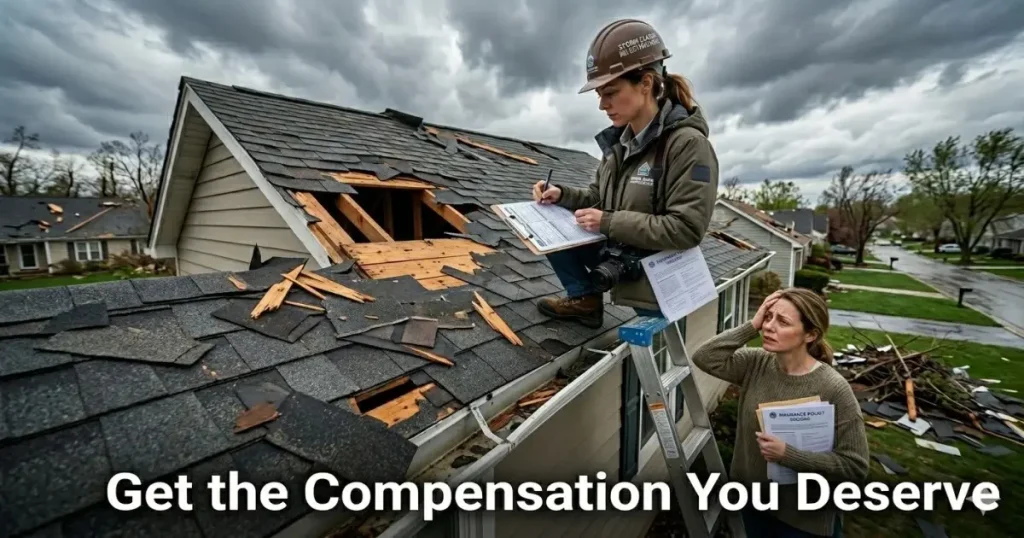
I once saw a homeowner whose roof was shredded by hail. The insurance company didn’t deny the claim—they just kept “re-assigning” the adjuster. Every time the homeowner called, they had to explain the story to a new person. Three months later, rain leaked through the damaged roof, causing mold.
That wasn’t just a delay; it was bad faith. A lawyer stepped in, showed that the delay caused more damage, and the company ended up paying for the roof, the mold remediation, and the homeowner’s legal fees.
Expert Tips for Dealing With Your Insurer
- Keep a “Paper Trail”: Save every email. If you have a phone call, send a follow-up email saying, “Just to confirm our conversation at 2:00 PM today…”
- Don’t Sign a “Final Release” Too Early: If they offer you a check “to close the matter,” don’t sign it until you’re 100% sure it covers everything.
- Be Polite but Firm: Don’t lose your temper on the phone. It gives them a reason to label you as “difficult” in their internal notes.
- Take Your Own Photos: Never rely solely on the insurance company’s photos. Use your phone to document everything from multiple angles.
When Should You Contact a Lawyer Immediately?
Claim denied without reason
Delay more than 30 days
Settlement < 50% actual loss
FAQs About Bad Faith Insurance
1. How much does a bad faith insurance lawyer cost?
Most work on a “contingency fee” basis. This means they take a percentage (usually 30-40%) of the money they win for you. If they don’t win, you don’t owe them a fee.
2. Can I sue for bad faith if my claim was just a mistake?
Usually, no. Bad faith requires a “dishonest intent.” A simple clerical error or a disagreement over the value of a car might not count. However, if they refuse to explain their reasoning, it might be moving toward bad faith.
3. How long do I have to file a claim?
This depends on your state’s “statute of limitations.” Generally, you have 1 to 3 years from the date of the denial, but it’s best to talk to a pro as soon as possible.
4. What kind of insurance does this apply to?
Almost any kind! Homeowners, auto, life, disability, and even health insurance.
5. What are “punitive damages”?
These are extra payments awarded by a court to punish a company for especially bad behavior. They are meant to discourage the company from doing the same thing to other customers.
Conclusion: Your Next Steps
Dealing with an insurance company that won’t play fair is incredibly draining. But remember: you have rights. You don’t have to accept a “no” if it doesn’t make sense.
What to do now:
- Gather your policy documents and any denial letters.
- Write down a timeline of every interaction you’ve had with the company.
- Reach out for a free consultation with a bad faith insurance lawyer. Most will look at your case for free to tell you if you have a valid claim.
Don’t let them win by wearing you down. You’ve paid for protection—now it’s time to make sure you get it.