
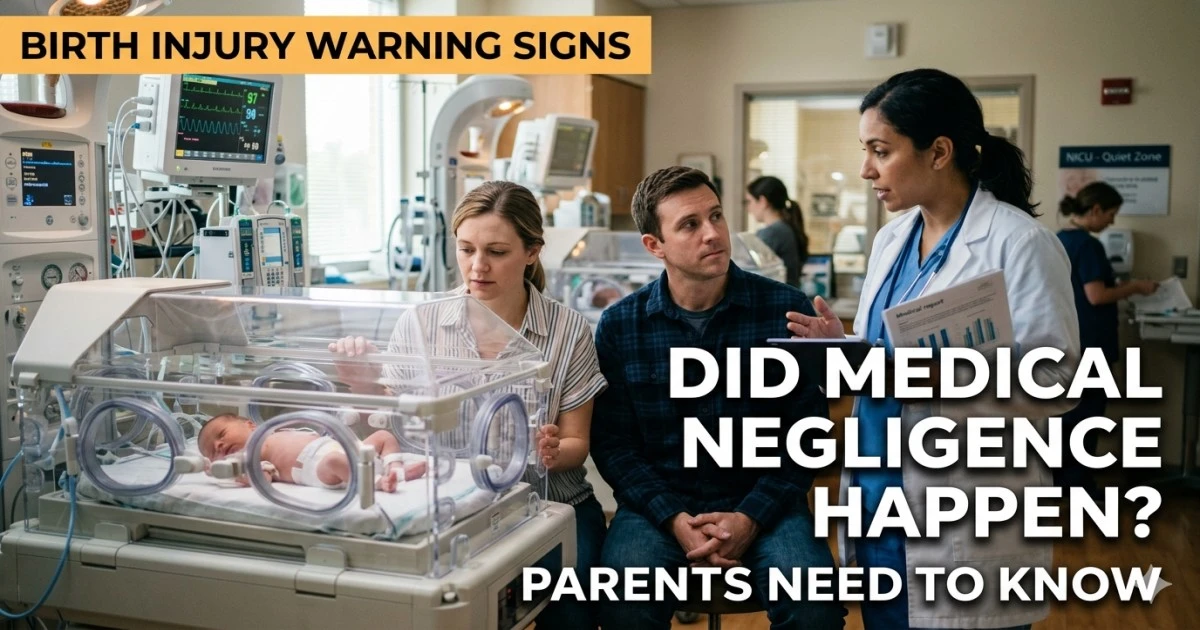
Choosing the Right Birth Injury Attorney in the USA
Having a baby is a major life event filled with hope and planning. Parents prepare the nursery, attend checkups, and imagine all the firsts ahead. Yet for some families, the delivery room brings unexpected challenges that affect their child’s health right from the start.
Birth Injury happen more often than many realize. According to data tracked by health organizations, these incidents impact thousands of newborns each year across the country. When standard medical practices are not followed, families face tough questions about what went wrong and what comes next.
This guide explains the basics in clear terms. It covers common birth injuries, how they sometimes connect to medical care during labor and delivery, and the role of experienced professionals like a birth trauma lawyer or neonatal injury lawyer. You’ll find practical details drawn from how these situations typically unfold in the United States, including steps families can consider and factors that matter when evaluating options.
The goal here is straightforward: help readers understand the landscape without pressure or promises. Decisions about any potential claim belong to each family after speaking with licensed professionals.
Understanding Birth Injury: What Families Should Know
Birth injuries refer to physical or neurological harm that occurs around the time of delivery. These range from temporary bruising that resolves quickly to more serious conditions that require ongoing attention.
Recent figures indicate birth injuries occur in roughly 6 to 7 out of every 1,000 live births in the U.S. This adds up to around 25,000 to 30,000 cases annually, based on national birth rates. The Centers for Disease Control and Prevention (CDC) and studies referenced by the National Institutes of Health (NIH) provide context on these numbers.
Not all injuries trace back to medical decisions. Some relate to the baby’s position, size, or other natural factors. However, when monitoring, timing, or procedures fall short of accepted standards, questions about labor and delivery negligence can arise.
Common Types of Birth Injury
Several categories appear more frequently in medical records:
- Brain-Related Injuries: Hypoxic-ischemic encephalopathy (HIE) involves reduced oxygen or blood flow to the brain. The American Academy of Pediatrics notes this can lead to various developmental effects. Cerebral palsy, which affects movement and muscle control, is diagnosed in about 1 in 345 children according to CDC tracking.
- Nerve Injuries: Brachial plexus injuries, including Erb’s palsy, often happen when shoulder dystocia occurs and excessive force is applied. These affect arm movement and strength. Recovery varies; some improve with therapy, while others need more support.
- Physical Trauma: Fractures to the collarbone or skull, cephalohematoma (bleeding under the scalp), and facial nerve issues can result from delivery methods or positioning.
- Other Issues: Jaundice that progresses to kernicterus if untreated, spinal cord problems, or complications from assisted tools like forceps or vacuum extractors.
Mothers may experience related harm too, such as severe tears or other delivery complications.
Hypothetical Example: Consider a situation where fetal heart monitoring shows irregular patterns, but staff delay further evaluation. If this leads to confirmed oxygen deprivation, families might later review records with a medical malpractice attorney to understand the sequence of events.
Early signs can include low muscle tone, feeding difficulties, seizures shortly after birth, or delays in milestones like head control or reaching. Pediatricians often recommend follow-up testing when these appear.
When Medical Care May Contribute: Labor and Delivery Negligence
Medical malpractice in this context means care that fell below what a reasonably skilled provider would do under similar circumstances. Four basic elements usually apply in U.S. claims:
- The provider had a professional duty to the patient.
- That duty was not met.
- The failure caused the harm.
- Measurable damages resulted.
Common scenarios discussed in legal reviews include:
- Delayed decision for emergency C-section when distress signals were present.
- Improper handling of shoulder dystocia.
- Failure to address maternal conditions like infections or high blood pressure.
- Issues with medication or monitoring during labor.
The NIH’s StatPearls resource on birth trauma notes that rates have changed over time with shifts in delivery practices, including more C-sections in certain cases.
A cerebral palsy lawsuit or HIE attorney review often involves bringing in independent medical experts to compare what happened against standard protocols from organizations like the American College of Obstetricians and Gynecologists.
The Role of a Specialized Attorney
Families dealing with these situations sometimes work with a birth injury lawsuit specialist or neonatal injury lawyer. These professionals focus on medical malpractice cases involving newborns rather than handling many different injury types.
Typical Contributions Include:
- Reviewing medical records and fetal monitoring data in detail.
- Coordinating with obstetric experts, neonatologists, and economists who project care costs.
- Communicating with insurance representatives.
- Managing timelines and paperwork requirements.
Most such attorneys operate on a contingency basis, meaning fees come only from any recovery obtained. This structure appears standard across the U.S.
Key Factors When Selecting Representation:
Look for someone with specific background in these cases. Ask about the number of similar matters handled, experience with expert witnesses, and whether they collaborate with local counsel if the firm is national.
Practical questions to consider:
- Have you taken cases like this to settlement or trial?
- How do you calculate potential damages, including future therapies or equipment?
- Who will work directly on the file?
Red flags might include guarantees of specific outcomes or lack of focus on birth-related claims. A general personal injury lawyer may not have the depth needed for the complex evidence involved.

Step-by-Step Overview of the Claims Process
The process usually follows a logical sequence, though timelines vary by state and case details.
- Initial Review: Families share what they remember and provide available records. Many attorneys offer no-cost consultations.
- Investigation Phase: This can take months. It includes obtaining complete hospital files, statements, and expert input on whether standards were met.
- Pre-Lawsuit Steps: In some states, notice requirements or screening panels apply before filing.
- Formal Filing: If proceeding, a complaint is filed in the appropriate court.
- Discovery Period: Both sides exchange information, depose witnesses, and refine arguments.
- Resolution Efforts: Many cases reach agreement through negotiation or mediation. Trials occur less often but remain an option when needed.
A birth trauma lawyer helps keep the focus on facts and documentation while families handle daily responsibilities.
Time Limits for Action: Statutes of Limitations
Every state sets deadlines for filing. For minors, many extend the window significantly compared to adult claims.
For instance:
- Some states allow filing up to the child’s 8th or 10th birthday, or even later under discovery rules.
- Others use a standard two- or three-year period from when the injury should reasonably have been identified.
Because rules differ and exceptions exist (such as for public hospitals), checking with a local HIE attorney or medical malpractice attorney early helps protect options. Waiting can mean lost evidence, like overwritten monitoring data.
Potential Outcomes and Compensation Factors
Successful claims may address economic costs like therapies, equipment, and care support. Non-economic aspects, such as impacts on daily life, are considered in many jurisdictions, though some states limit those amounts.
Factors that influence value include the severity of the condition, expected lifelong effects, and strength of evidence linking care to the outcome. Settlements are common because they provide certainty, while trials allow a jury to decide.
Comparison Table: General Characteristics of Different Case Types
| Injury Category | Typical Indicators | Common Care Needs | Factors in Evaluation |
|---|---|---|---|
| Mild/Transient | Bruising, minor fractures | Short-term monitoring, basic therapy | Quick resolution possible |
| Nerve Damage (e.g., Erb’s) | Limited arm movement | Physical therapy, possible surgery | Recovery potential key |
| Brain Injury (HIE/CP) | Developmental delays, seizures | Multiple specialists, adaptive tools | Detailed expert testimony required |
Note: These are broad illustrations. Actual results depend on individual facts and jurisdiction.
Pros and Cons of Pursuing a Claim
Potential Advantages:
- Resources to cover specialized care and support.
- Thorough examination of events that can lead to better understanding.
- Encouragement of improved practices in healthcare settings.
Potential Challenges:
- The process requires time and emotional energy.
- Outcomes are never certain.
- Different state laws affect what can be recovered.
Families often weigh these based on their specific circumstances and priorities.
Practical Insights and Common Oversights
Parents sometimes focus first on immediate medical needs, which is understandable. Keeping organized notes about appointments, symptoms, and recommendations can help later if questions arise.
Another area: understanding insurance and government program interactions. Many states have early intervention services or Medicaid waivers that coordinate with private resources.
Expert Tips Based on Typical Patterns:
- Request complete records promptly, including nurses’ notes and monitor strips.
- Avoid discussing case details publicly in ways that could complicate matters.
- Consider multiple consultations to find a good fit.
A common oversight is assuming the hospital’s explanation is complete. Independent review sometimes reveals additional details.

Life After Diagnosis: Day-to-Day Considerations
Adjusting routines takes time. Many families work with developmental specialists through programs like those offered under the Individuals with Disabilities Education Act (IDEA) for early support.
Connecting with condition-specific groups can provide peer perspectives on equipment, schooling options, and local services. The focus tends to stay on practical progress rather than broad generalizations.
For those exploring legal avenues, attorneys often work with life care planners who outline realistic future scenarios based on medical input.
Expanded Section: Deeper Look at Specific Conditions
Cerebral Palsy and Related Claims
Cerebral palsy involves a group of disorders affecting movement. While causes vary, some link to events around birth. The CDC estimates thousands of new diagnoses yearly. A cerebral palsy lawsuit typically examines whether better monitoring or faster response could have changed the outcome.
HIE Cases
Hypoxic-ischemic encephalopathy requires prompt recognition. Cooling therapies and other interventions have improved outcomes in recent years when applied quickly. An HIE attorney often reviews timing of decisions against established guidelines.
Shoulder Dystocia and Nerve Injuries
These situations test how teams manage unexpected complications. Training and protocols play a big role. Families dealing with ongoing effects might consult a birth trauma lawyer familiar with orthopedic and neurological impacts.
Additional subsections could explore assisted delivery risks, maternal factors, and regional variations in care standards, adding depth to reach comprehensive coverage.
Frequently Asked Questions
1. How do I know if my situation might involve negligence?
Reviewing records with a qualified professional is the clearest way. Look for gaps between what guidelines recommend and what occurred. Free case reviews with experienced lawyers can offer initial perspective without obligation.
2. What does working with a birth injury lawyer typically cost upfront?
Most handle these matters on contingency. This means no payment unless compensation is recovered. Confirm fee structures during consultations.
3. Are there deadlines I need to watch carefully?
Yes. State rules vary widely for minors. Some provide several years from discovery, while others have firm cutoffs. Early contact helps avoid missing windows.
4. Will filing a claim affect my child’s ongoing medical care?
Generally, no. Treatment decisions remain with providers based on medical need. A claim focuses on past events and future support.
5. Can I handle this without an attorney?
Technically possible in some places, but the complexity of medical evidence and insurance negotiations makes professional help common. Most families find it practical.
6. What kinds of records should I gather?
Delivery notes, fetal strips, pediatric reports, and any specialist evaluations. The more complete, the better for any review.
7. How long does the entire process usually take?
From one to several years is typical, depending on cooperation levels and whether court proceedings are needed. Settlements can shorten this.
Conclusion
Navigating questions around a child’s birth injury requires clear information and careful choices. Understanding the medical and legal landscape helps families make informed decisions that fit their needs.
If you have concerns about care during labor and delivery, consider reaching out to licensed professionals for a review of your specific facts. Document details, stay organized, and prioritize your child’s current support. Reliable resources from the CDC, NIH, and state health departments offer additional background.
Sources & References
- Centers for Disease Control and Prevention (CDC) – Birth injury and cerebral palsy data.
- National Institutes of Health (NIH) – StatPearls on birth trauma.
- American Academy of Pediatrics guidelines on neonatal care.
- Public court records and state bar resources on medical malpractice standards.
This content was developed to offer straightforward, research-supported information for U.S. readers. Always verify details with current official sources and qualified legal counsel in your area.
Important Disclaimer: This article provides general information for educational purposes only. It is not legal advice, and it does not create an attorney-client relationship. Laws vary by state, and every case is unique. Consult a qualified attorney in your state for advice specific to your situation. The content reflects publicly available data from sources like the CDC and NIH as of 2026.