
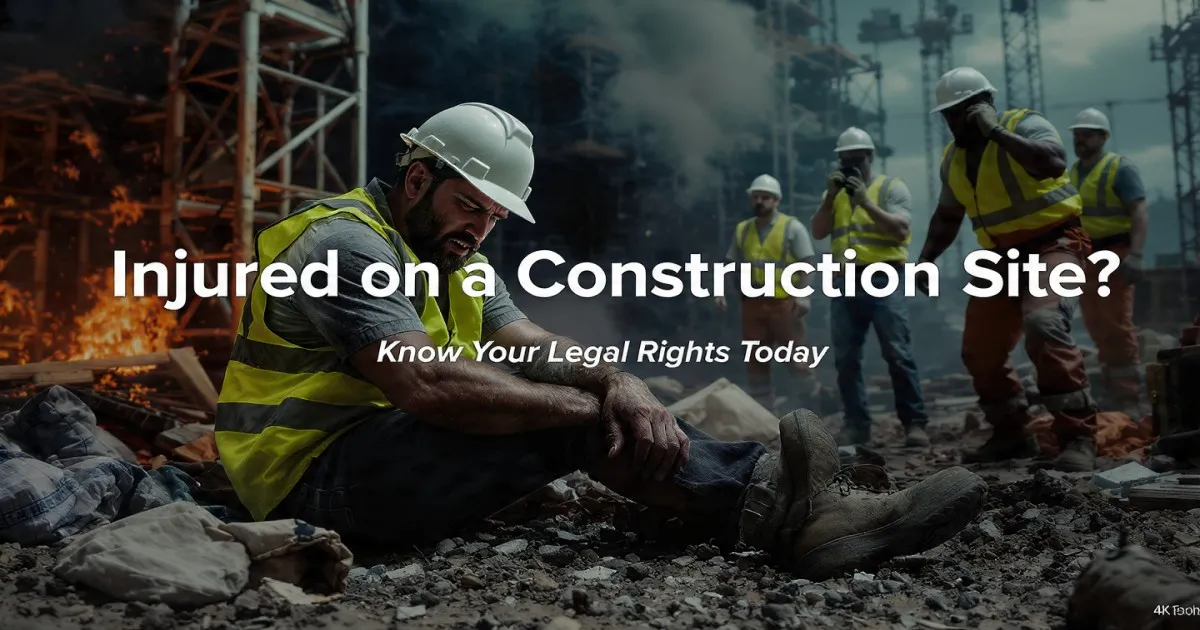
Construction Accident Lawyer: Know Your Rights After a Job Site Injury
Construction sites are tough places to work. I’ve seen it firsthand—noise, pressure, deadlines, and heavy equipment everywhere. One small slip, and everything can change.
If you’re here, chances are you or someone close to you got hurt on a job site. And now you’re stuck with questions:
Who pays for this? Can I still work? Am I being treated fairly?
This is exactly where a construction accident lawyer comes in.
In this guide, I’ll break things down in simple terms. No legal jargon. Just real advice, practical steps, and a clear path forward based on how these cases actually work in the U.S.
What a Construction Accident Lawyer Really Does
Most people think lawyers just “file cases.” That’s not even half the story.
A good construction accident lawyer becomes your problem-solver.
Here’s what they actually do behind the scenes:
- Dig deep into how the accident happened
- Talk to witnesses before memories fade
- Review safety reports and site conditions
- Deal with insurance companies (so you don’t have to)
- Build a strong case for maximum compensation
From experience:
In many cases, what looks like a simple accident turns out to be negligence—like missing safety rails or faulty gear.
And that changes everything.
Common Construction Accidents (And Why They Happen)
Construction accidents don’t just “happen.” There’s almost always a reason.
The most common ones I’ve seen:
- Falls from ladders, roofs, or scaffolding
- Tools or materials falling from above
- Electric shocks from exposed wiring
- Equipment failures
- Slips on wet or uneven surfaces
- Trench or structure collapses
What most people don’t realize:
Many of these accidents are preventable. Basic safety rules are often ignored to save time.
And workers end up paying the price.
Who Is Actually Responsible?
This is where things get interesting—and often misunderstood.
You might think your employer is the only one responsible. But construction sites involve multiple parties.
Possible responsible parties include:
- General contractors
- Subcontractors
- Property owners
- Equipment manufacturers
- Safety inspectors
Real insight:
I’ve seen cases where the employer wasn’t at fault at all. Instead, a defective machine or careless subcontractor caused the injury.
That’s important—because it opens the door to bigger compensation.
Construction Accident Lawyer and Workers’ Compensation

Why Workers’ Comp Alone Is Often Not Enough
Most injured workers are told to file for workers’ compensation—and that’s fine as a starting point.
But here’s the truth: it has limits.
It usually covers:
- Medical bills
- Part of your lost income
- Rehab costs
It does NOT cover:
- Pain and suffering
- Emotional stress
- Full income loss
My honest advice:
Don’t assume workers’ comp is your final solution. In many cases, it’s just the beginning.
A construction accident lawyer can check if you’re eligible for a third-party claim, which can significantly increase your payout.
When Should You Talk to a Lawyer?
A lot of people wait. And that’s one of the biggest mistakes.
You should reach out if:
- Your injury is serious
- You’re unable to return to work
- Your claim gets delayed or denied
- Someone else might be at fault
- The insurance offer feels too low
Hard truth:
The longer you wait, the weaker your case can become. Evidence disappears fast.
What To Do Right After an Accident
I always tell people—what you do in the first 24–48 hours matters a lot.
Take these steps:
- Get medical help immediately
- Report the accident (even if it seems minor)
- Take photos or videos if possible
- Write down what happened while it’s fresh
- Get contact details of witnesses
- Avoid detailed talks with insurance adjusters
Important tip:
Insurance companies are trained to protect their money—not your future.
What Compensation Can You Actually Get?
This depends on your case, but here’s a realistic breakdown.
You may be entitled to:
- Full medical expenses (current + future)
- Lost wages
- Reduced earning ability
- Pain and suffering
- Long-term disability support
Real-world note:
When a third party is involved, settlements can jump significantly compared to basic workers’ comp.
Workers’ Comp vs Personal Injury Claim
| Factor | Workers’ Compensation | Personal Injury Claim |
|---|---|---|
| Need to prove fault | No | Yes |
| Pain & suffering | Not included | Included |
| Wage coverage | Partial | Can be full |
| Compensation limit | Restricted | Higher potential |
| Who pays | Employer insurance | Third party |
Pros and Cons of Hiring a Construction Accident Lawyer
Pros:
- Better chance at higher compensation
- Less stress dealing with paperwork
- Professional negotiation with insurers
- Stronger legal strategy
Cons:
- Takes time to resolve
- Lawyer fees (usually from your settlement)
My take:
If your injury is serious, trying to handle it alone often costs more in the long run.
Choosing the Right Lawyer (This Matters More Than You Think)
Not every lawyer will fight hard for you.
Look for someone who:
- Specializes in construction accidents
- Has handled similar cases
- Explains things clearly
- Works on contingency (no upfront fees)
Ask this question:
“What’s your plan for my case?”
If they can’t answer clearly, that’s a red flag.
Mistakes I’ve Seen People Regret
Over the years, some patterns show up again and again.
Avoid these mistakes:
- Ignoring small injuries
- Waiting too long to act
- Trusting the first settlement offer
- Posting about the accident online
- Not keeping records
Warning:
Even a single social media post can be used against you.
Deadlines You Can’t Ignore
Every state has its own timeline for filing claims.
General idea:
- Workers’ comp reporting: ASAP (sometimes within days)
- Personal injury claim: Usually 1–3 years
Simple rule:
If you’re unsure—act early. Waiting rarely helps.
A Real Scenario (What Actually Happens)
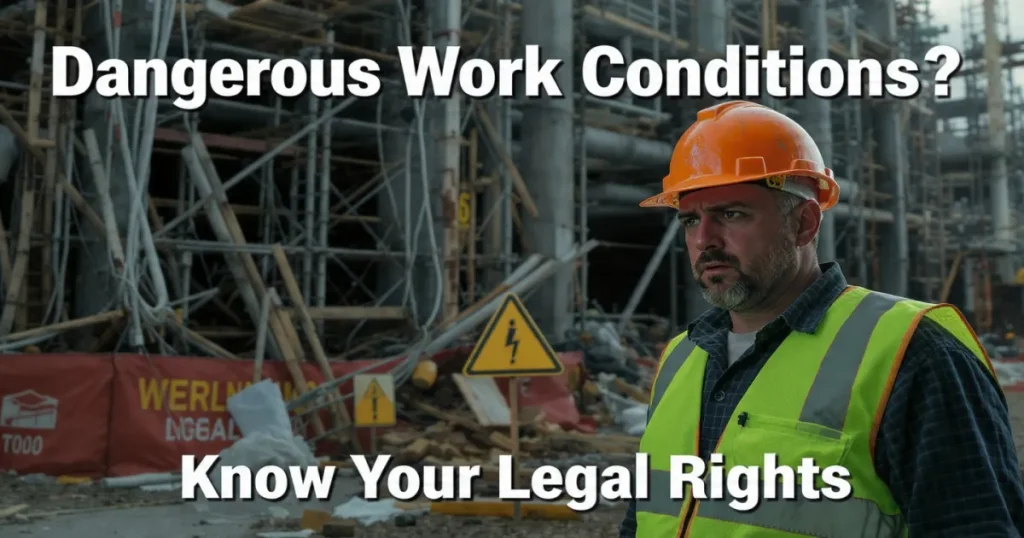
A worker I came across slipped due to poor site cleanup.
- Initially blamed for “not being careful”
- Workers’ comp offered basic coverage
- Later, investigation showed safety negligence
- A third-party claim was filed
- Final compensation was much higher
Lesson:
The first version of the story isn’t always the truth.
Expert Tips to Strengthen Your Case
- Document everything (photos, reports, receipts)
- Follow medical advice strictly
- Keep a daily pain or recovery journal
- Don’t rush into settlements
- Speak to a lawyer early
FAQs (People Also Ask)
1. Do I really need a construction accident lawyer?
If your injury is serious or your claim is complex, yes—it can make a big difference.
2. How much does a lawyer charge?
Most work on contingency. You only pay if you win.
3. Can I sue if I already filed workers’ comp?
Yes, if a third party was involved.
4. What if I was partly at fault?
You may still receive compensation under shared fault laws.
5. How long will my case take?
Anywhere from a few months to a couple of years.
6. What’s the average settlement?
It varies widely. Serious injuries can lead to much higher payouts.
7. Will I have to go to court?
Most cases settle outside court, but some do go to trial.
Conclusion
Construction accidents don’t just affect your body—they affect your income, your family, and your peace of mind.
The good news? You have options.
A skilled construction accident lawyer can guide you, protect your rights, and help you get the compensation you truly deserve.
Final advice from experience:
- Don’t ignore your injury
- Don’t rush decisions
- And most importantly—don’t try to handle everything alone
If something feels off about your case, it probably is. Get advice early and stay in control of your situation.