

Minor Injury Accident Claim USA: Get Fair Compensation
Hey there—if you’ve been in a fender-bender or a low-speed bump that left you with aches, stiffness, or minor bruises, you’re not alone. Many people in the US face minor injury accident claims every year after car crashes, slips, or other everyday incidents. The good news? You can often recover money for your medical bills, lost wages, and discomfort without heading to court.
I’ve helped folks navigate these situations for years, and one thing stands out: even “minor” injuries deserve proper handling. Ignoring the process or rushing a quick settlement from the insurance company can cost you hundreds or thousands of dollars. In this guide, I’ll walk you through everything in plain English—what counts as a minor injury, how to file a claim, what to expect in settlements, and real tips from real experiences. Let’s get you the compensation you deserve.
What Counts as a Minor Injury in an Accident Claim?
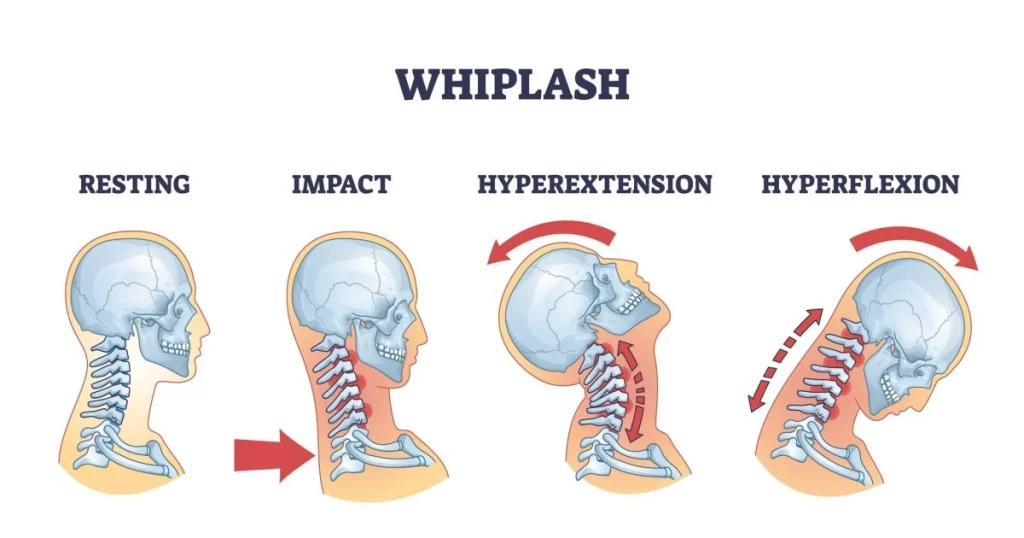
Minor injuries usually involve soft tissue damage or short-term issues that heal within weeks or a few months. Think whiplash from a rear-end collision, mild sprains, bruises, minor cuts, or temporary back and neck pain. These differ from major injuries like broken bones, concussions with lasting effects, or anything needing surgery.
Insurance companies often label crashes with little vehicle damage as “minor,” but that doesn’t mean your body escaped unscathed. A sudden jolt at 10-15 mph can still strain muscles and ligaments. Many victims feel fine right after the accident but wake up sore the next day or develop pain days later. That’s normal—delayed symptoms happen because inflammation builds up over time.
Common examples of minor injuries in US accident claims:
- Whiplash (neck strain)
- Muscle strains or sprains in back, shoulders, or knees
- Minor bruises and contusions
- Small lacerations needing stitches
- Mild headaches or temporary discomfort
In my experience, people underestimate these because there’s no dramatic hospital scene. But medical records showing consistent treatment make all the difference when proving your claim.
Related terms like soft tissue injury claim, whiplash settlement, and personal injury after car accident often come up here because they describe the same territory.
Why Filing a Minor Injury Accident Claim Matters
Even small accidents create real costs. You might miss work for doctor visits, pay for physical therapy, or deal with pain that affects sleep and daily chores. A successful claim covers economic damages (bills and lost pay) plus non-economic ones like pain and suffering.
Most claims settle out of court—over 95% in many areas. For minor cases, this means negotiating with the at-fault driver’s insurance or your own in no-fault states. The key is building a solid paper trail early.
States handle this differently. In at-fault states (most of the US), you usually pursue the other driver’s liability insurance. In no-fault states like Florida, New York, or Michigan, your own personal injury protection (PIP) coverage pays first for medical costs, no matter who caused the crash. Some states let you sue for additional damages if your injury meets a “serious injury” threshold, but minor cases often stay within insurance negotiations.
Expert tip: Check your state’s rules right away. For instance, no-fault laws aim to speed up medical payments for smaller injuries but can limit lawsuits.
Immediate Steps After a Minor Accident: Don’t Skip These
The first hours and days set the tone for your entire minor injury accident claim. Act quickly but calmly.
- Ensure safety and call for help if needed. Move vehicles if safe, turn on hazard lights, and check for injuries. Call police for an official report—even in minor crashes, many states require it above certain damage thresholds (often $500–$1,000).
- Document everything at the scene. Take clear photos of vehicle damage, your injuries (even if just redness), road conditions, traffic signs, and license plates. Get names and contacts of witnesses. Note the exact time, weather, and what happened in your own words.
- Exchange information. Share insurance details, driver’s license, and contact info with the other party. Avoid discussing fault or apologizing—that can hurt your claim later.
- Seek medical attention promptly. Go to urgent care, your doctor, or ER even if pain feels mild. Tell them about the accident. Early records prove the injury links directly to the crash (causation, a big legal piece).
One common mistake I see: people “tough it out” and skip the doctor. Insurance adjusters then argue the injury wasn’t serious or wasn’t caused by the accident. Get checked—better safe than sorry.
- Notify your insurance company. Report the accident soon, but stick to facts. In many cases, consult a lawyer before giving a recorded statement.
From real cases I’ve seen, thorough scene photos and a police report have saved claims that otherwise looked weak.
Gathering Evidence: The Backbone of Your Claim
Strong evidence turns a “maybe” into a paid claim. Focus on these:
- Medical records and bills: Every visit, diagnosis, treatment plan, and prescription.
- Proof of lost wages: Employer letter or pay stubs showing missed time.
- Photos and videos: Scene, damage, and your injuries over time.
- Witness statements: Written accounts from anyone who saw it.
- Police or incident report: Official version of events.
Keep a daily journal of pain levels, how the injury affects your routine (like trouble driving or sleeping), and any emotional strain. This helps calculate pain and suffering.
Warning: Don’t post about the accident or your recovery on social media. Insurers check Facebook, Instagram, etc., and a photo of you at a picnic can undermine your “I can’t work” claim.
The Step-by-Step Process for Filing a Minor Injury Accident Claim in the USA
Here’s how it usually unfolds:
Step 1: Get medical care and stabilize. Prioritize healing.
Step 2: Consult a personal injury attorney. Many offer free consultations. For minor claims, a lawyer can still boost your settlement by handling negotiations. They work on contingency—no win, no fee.
Step 3: File the claim. Your lawyer (or you) notifies the at-fault insurer with a demand letter. This outlines the accident, your injuries, damages, and what you’re seeking.
Step 4: Investigation phase. The insurance company reviews evidence, may request an independent medical exam (IME), and responds with an offer—often low at first.
Step 5: Negotiate. Back-and-forth happens here. A good negotiator pushes for fair value covering all current and future costs.
Step 6: Settlement or lawsuit. Most minor cases settle. If not, filing a lawsuit starts, but trials are rare for small claims.
In no-fault states, start with your PIP for medicals, then pursue more if allowed.
Practical example: Sarah, rear-ended at a stoplight in Texas, had whiplash and missed two weeks of work. She documented everything, saw a chiropractor consistently, and hired a lawyer. Her initial offer was $4,000; after negotiation with medical records and wage proof, she settled for $14,500—including pain and suffering.
What Compensation Can You Expect? Average Settlements for Minor Injuries
Settlements for minor injury accident claims vary widely by state, injury details, and insurance limits. Recent data shows averages for soft tissue or whiplash cases often range from $3,000 to $25,000, with many landing around $10,000–$15,000 when including medicals and some lost wages.
Factors that influence the amount:
- Total medical bills
- Length of recovery and treatment
- Lost income
- Strength of liability proof (clear fault helps)
- Your state’s insurance minimums
- Any pre-existing conditions
Rough breakdown (not guarantees—every case differs):
- Very minor (bruises, quick recovery): $2,000–$8,000
- Whiplash or strains with PT: $8,000–$20,000
- Cases with consistent documentation: Higher end possible
Pain and suffering multipliers (1–3x medicals) often apply in negotiations for minor cases, though less generously than severe ones.
Table: Factors Affecting Minor Injury Settlements
| Factor | How It Helps Your Claim | Example Impact |
|---|---|---|
| Prompt Medical Care | Proves causation | Adds thousands to value |
| Detailed Records | Shows consistency of treatment | Supports higher pain/suffering |
| Clear Liability | Reduces disputes | Faster, better settlement |
| Lost Wages Proof | Covers economic loss | Direct reimbursement |
| Attorney Representation | Expert negotiation | Often 30-50% higher than self-filed |
Remember, these are averages. Your results depend on specifics.
Comparison: Minor vs. Major Injury Claims
Minor claims focus on quick resolution with lower stakes. Major ones involve long-term disability, huge bills, and often trials.
Key differences:
- Recovery time: Minor heals in weeks/months; major can last years or be permanent.
- Settlement size: Minor usually under $25k–$50k; major can reach six or seven figures.
- Process: Minor stays in insurance talks; major may need experts and court.
- Documentation needs: Both require records, but major demands more (MRIs, specialist reports, life-care plans).
Many “minor” crashes later reveal bigger issues. Don’t downplay symptoms.
Pros and Cons of Handling a Minor Injury Claim Yourself vs. With a Lawyer

Pros of DIY:
- Saves attorney fees (usually 33% of settlement)
- Faster for very small cases with clear fault
- You control decisions
Cons of DIY:
- Insurance companies train adjusters to minimize payouts
- Easy to miss deadlines or say the wrong thing
- Lower settlements on average
- Stress of negotiating while injured
Pros of lawyer:
- Higher settlements in most cases
- Handles paperwork and talks
- Knows state laws and tactics
- Free consultation usually
Cons:
- Fee reduces your net (but often worth it)
For claims under a few thousand with no disputes, DIY might work. Anything with ongoing pain or pushback? Get legal help.
Expert warning: Never sign a release or accept the first offer without reviewing everything. Once settled, you can’t reopen for new symptoms.
Common Mistakes in Minor Injury Accident Claims (and How to Fix Them)
From years working with clients, these trip people up:
- Delaying medical treatment — Solution: See a doctor within 24-72 hours. Note the accident in your history.
- Poor documentation — Solution: Keep every receipt, appointment card, and photo. Use a folder or app.
- Talking too much to insurers — Solution: Refer them to your lawyer or say “I’ll get back to you.”
- Accepting quick lowball offers — Solution: Calculate full damages first (medicals + wages + pain). Counter politely.
- Missing the statute of limitations — Most states give 2-3 years for personal injury (1 year in a few like TN, KY, LA). For minors (children), the clock often pauses until age 18. Check your state and act early.
- Social media posts — Solution: Stay offline about the case or set profiles private.
- Ignoring pre-existing conditions — Solution: Be honest with doctors and your lawyer—they can still build a strong claim for aggravated injuries.
Fixing these early prevents denials or reduced offers.
State Variations and Special Considerations
Laws differ across the USA. No-fault states require PIP for initial medicals. At-fault states let you go straight after the responsible party.
Statute of limitations varies: 1 year in some, up to 6 in others. Minors often get extensions. Government entities (city buses, etc.) may have shorter notice periods (months, not years).
If the at-fault driver has low insurance, your underinsured motorist coverage might kick in. Always review your policy.
Tip for families: If a child suffers a minor injury, a parent or guardian files on their behalf. Settlements often need court approval to protect the child’s funds.
How to Strengthen Your Minor Injury Accident Claim
- Follow all medical advice and attend every appointment.
- Track every expense, even gas to doctor visits.
- Get a written prognosis from your doctor.
- Consider a second opinion if treatment stalls.
- Stay patient—good claims take weeks to months.
Real-world tip: Consistent physical therapy logs show the injury’s real impact, helping justify higher pain and suffering.
Pros and Cons of Pursuing a Minor Injury Claim
Pros:
- Recovers out-of-pocket costs
- Holds negligent parties accountable
- Provides closure and funds for recovery
- Often straightforward process
Cons:
- Time and effort involved
- Potential stress dealing with insurers
- Smaller payouts may not feel “worth it” after fees
- Risk of claim denial if evidence is weak
Weigh your specific situation. Many find the process empowering once they understand it.
FAQs About Minor Injury Accident Claims in the USA
1. How long do I have to file a minor injury accident claim?
It depends on your state—typically 1 to 6 years, with 2-3 years most common. Always confirm locally, especially if a minor (child) is involved, as deadlines may extend.
2. Can I get compensation for pain and suffering in a minor claim?
Yes, but amounts are usually modest. Documentation of how the injury disrupted your life helps prove it.
3. Do I need a lawyer for a small accident claim?
Not always for tiny cases, but lawyers often increase settlements enough to cover their fee and more. Free consults remove the risk.
4. What if the insurance company offers very little?
Don’t accept immediately. Review with a professional and counter with evidence of full damages.
5. Are minor injuries from parking lot accidents covered?
Yes, if someone else was negligent. Process is similar, though property damage might be primary.
6. How does no-fault insurance affect my claim?
In no-fault states, your PIP covers medicals first. You may still pursue the at-fault driver for other damages if thresholds are met.
7. Can delayed symptoms hurt my minor injury claim?
Not if you seek care promptly and document the link to the accident. Many whiplash cases develop over days.
Conclusion: Take Action for Your Minor Injury Accident Claim
A minor accident doesn’t mean minor consequences. By seeking prompt medical care, documenting thoroughly, understanding your state’s rules, and avoiding common pitfalls, you give yourself the best shot at fair compensation.
Start today: Gather your records, note deadlines, and consider a free consultation with a local personal injury attorney experienced in these cases. Don’t let insurance companies undervalue your experience.
You’ve got this—most people recover fully and move on with a settlement that covers the hassle. If pain lingers or questions pop up, reach out to professionals. Your health and finances matter.