
Offshore Accident Lawyer: Rights, Compensation & Recovery
If you work offshore—on an oil rig, platform, supply vessel, or drilling operation—you know the risks are real. One wrong move, faulty equipment, or sudden storm can change your life in seconds. Many hardworking Americans in the Gulf of Mexico and beyond face serious injuries every year, from broken bones and burns to life-altering spinal damage or worse.
That’s where an offshore accident lawyer steps in. These specialized attorneys understand the unique world of maritime law and fight to get you the medical care, lost wages, and compensation you deserve. Unlike standard workers’ comp, maritime cases often allow you to pursue full damages against negligent employers or vessel owners. This article breaks it all down in plain language, sharing real insights from years of helping injured workers just like you.
Understanding Offshore Accidents: The Harsh Reality
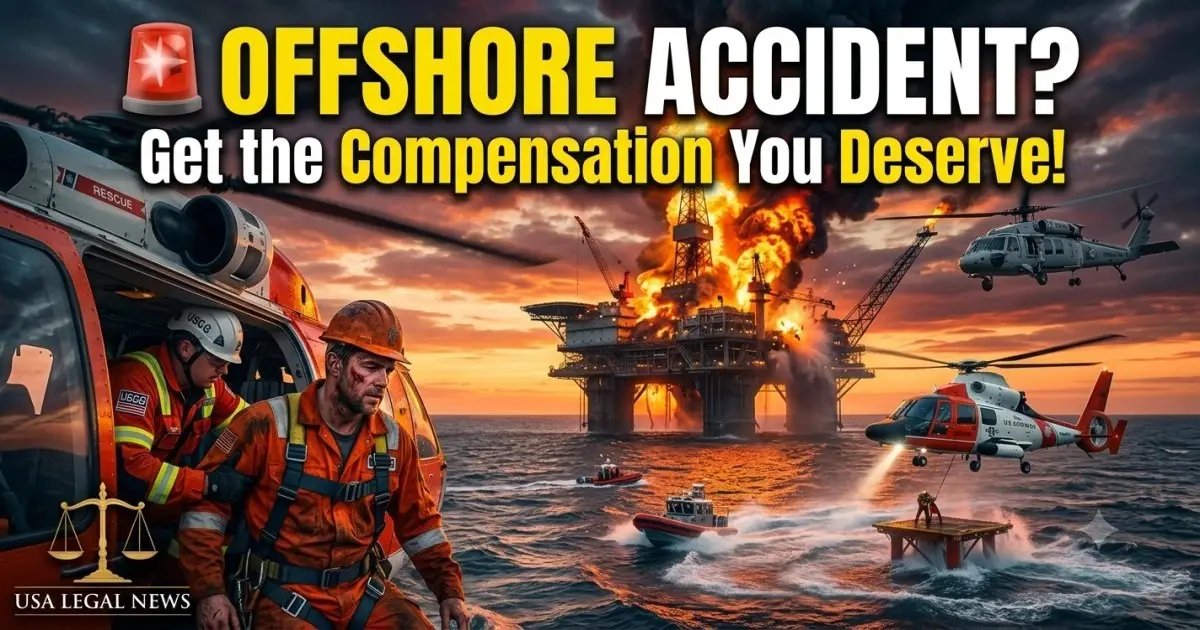
Offshore work pays well for a reason. You’re far from shore, dealing with heavy machinery, volatile materials, and unpredictable weather. According to government data, offshore platforms see hundreds of incidents annually, including fires, explosions, falls, and transportation mishaps.
Common scenarios include:
- Slipping on wet decks during rough seas.
- Being struck by falling equipment or tools.
- Explosions from gas leaks or blowouts.
- Helicopter or crew boat crashes during transport.
- Chemical exposures leading to long-term health issues.
These aren’t just “accidents.” Many stem from corner-cutting on safety, poor maintenance, fatigue from long shifts, or inadequate training. I’ve seen cases where a simple ladder without proper guards led to a devastating fall, or ignored warning signs preceded a major fire.
Key Laws Protecting Offshore Workers
Maritime injuries don’t follow regular state workers’ compensation rules. Instead, federal laws apply, and knowing them is crucial.
The Jones Act (Merchant Marine Act of 1920): This is the big one for “seamen”—workers who spend a significant part of their time on vessels in navigable waters. If your employer or the vessel was negligent, you can sue for full damages, including pain and suffering, lost future earnings, and medical costs. No artificial caps like in some state systems.
To qualify as a seaman, you generally need to contribute to the vessel’s mission and spend at least 30% of your time on water. Think drillers, deckhands, cooks, or engineers on jack-up rigs or drillships. Courts look at the facts of your job, not just your title.
Maintenance and Cure: Regardless of fault, your employer must provide “maintenance” (daily living expenses) and “cure” (medical treatment) until you reach maximum medical improvement. This is a big deal for offshore workers far from home.
Longshore and Harbor Workers’ Compensation Act (LHWCA): For non-seamen like longshoremen, dock workers, or certain platform support staff. It provides no-fault benefits but limits some damages compared to Jones Act claims. Extensions cover Outer Continental Shelf workers.
Death on the High Seas Act (DOHSA): Applies to fatalities more than 3 nautical miles offshore. It allows surviving family members to recover pecuniary damages (financial losses) but has restrictions on non-economic damages.
An experienced offshore accident lawyer sorts out which law fits your situation—often a mix—and builds the strongest case.
Common Types of Offshore Accidents and Injuries
Offshore environments breed specific hazards. Here are the most frequent:
- Falls and Slips: Wet surfaces, moving platforms, and heights make these everyday risks. A fall from a derrick or into an open hatch can cause traumatic brain injuries (TBIs), spinal damage, or fractures.
- Fires and Explosions: Flammable gases, poor ventilation, or equipment failure. The Deepwater Horizon disaster in 2010 killed 11 and injured many more, highlighting how quickly things escalate.
- Struck by Objects: Cranes, pipes, tools—lifting operations gone wrong lead to crushing injuries or amputations.
- Transportation Accidents: Helicopters and boats ferrying crews are involved in many fatalities. Weather plays a huge role.
- Chemical and Toxic Exposures: Hydrogen sulfide, drilling fluids, or asbestos can cause respiratory issues, cancers, or neurological damage over time.
- Machinery Entanglements: Drills, winches, and pumps can maim if safeguards fail.
Injuries range from sprains keeping you out weeks to permanent disabilities ending careers. Many workers face PTSD on top of physical pain.
Real-World Example: A deckhand on a Gulf supply vessel slipped on oily stairs during a storm. The company blamed him for not wearing proper boots, but investigation showed missing handrails and ignored maintenance reports. With legal help, he recovered for medical bills, lost wages, and ongoing therapy—far more than initial offers suggested.
What an Offshore Accident Lawyer Does for You
A good lawyer becomes your advocate from day one:
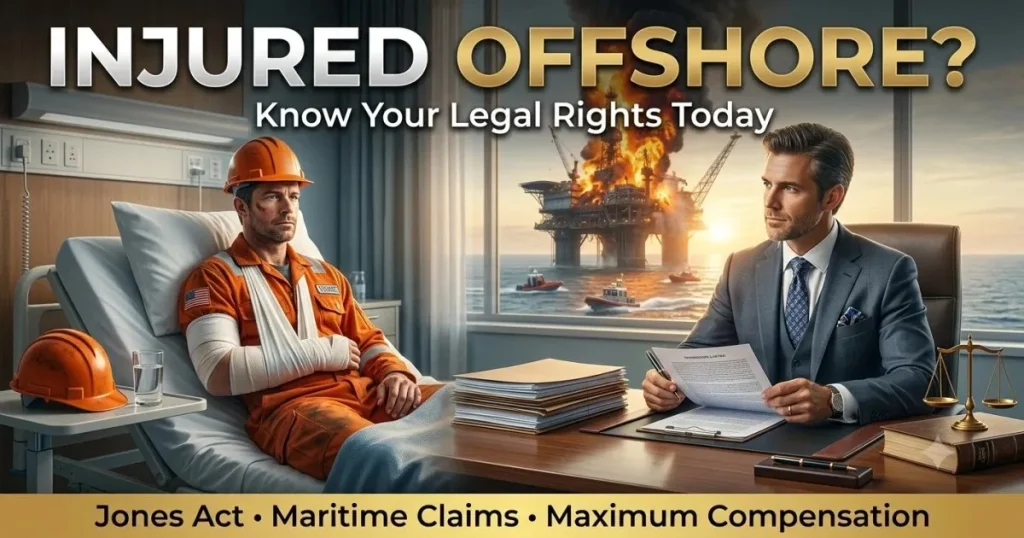
- Free Consultation and Case Evaluation: They listen, review facts, and explain your rights without pressure.
- Investigation: Gather evidence like incident reports, witness statements, maintenance logs, photos, and expert analysis (e.g., safety engineers or medical specialists).
- Handle Insurance Companies: These firms often delay, deny, or lowball. Your lawyer pushes back.
- File Claims or Lawsuits: Under the right law, in the appropriate court (often federal).
- Negotiate Settlements or Go to Trial: Most cases settle, but they’re ready to fight in court if needed. Top firms have track records of multi-million-dollar results.
They also coordinate with doctors to document injuries fully, which strengthens your claim for future care and lost earning capacity.
Steps to Take Immediately After an Offshore Accident
Don’t wait—time matters for evidence and deadlines (statutes of limitations vary but can be short).
- Seek medical attention right away, even if symptoms seem minor. Offshore medics or evacuation might be first, but follow up onshore.
- Report the incident to your supervisor and get a copy of the report. Note names, times, conditions.
- Document everything: Photos of the scene/injuries, witness contacts, your symptoms diary.
- Avoid signing anything or giving detailed statements without legal advice.
- Contact an offshore accident lawyer promptly. Early involvement preserves evidence that companies might “lose.”
Common mistake: Thinking the company will “take care of you.” They prioritize their bottom line. Another: Delaying legal help, which weakens your position.
Expert Tip: Keep all medical records and pay stubs. Track every expense related to the injury.
Choosing the Right Offshore Accident Lawyer
Not all personal injury attorneys handle maritime cases. Look for:
- Specific experience in Jones Act, LHWCA, admiralty law.
- Track record with offshore/oil rig cases (ask for examples, not just general verdicts).
- Resources: Ability to hire experts, handle big corporations.
- Client reviews and communication style— you want someone who explains clearly and responds quickly.
- No upfront fees (contingency basis is standard).
Warning: Beware of lawyers who promise huge payouts without knowing details or push quick settlements. Ask about their trial experience—many cases settle, but the threat of trial matters.
Interview a few. Questions to ask: How many similar cases? What’s your approach? Who handles my file day-to-day?
Compensation You May Recover
Depending on your case:
- Past and future medical expenses (surgeries, rehab, medications).
- Lost wages and diminished earning capacity.
- Pain and suffering.
- Maintenance and cure.
- Loss of consortium (for spouses in some claims).
- Punitive damages in rare egregious cases.
Amounts vary widely. Minor injuries might yield tens of thousands; catastrophic ones, millions. Factors include injury severity, age, career prospects, and proof of negligence.
Pros and Cons of Hiring an Offshore Accident Lawyer
Pros:
- Expert navigation of complex federal laws.
- Maximizes compensation.
- Handles stress so you focus on recovery.
- Levels the playing field against powerful companies.
Cons:
- Contingency fees (typically 33-40% of recovery).
- Process can take months or years.
- Not every case wins big, though most good ones settle favorably.
Overall, the pros far outweigh for serious injuries.
Comparison Table: Maritime Laws at a Glance
| Law | Who It Covers | Benefits | Key Limitations | Fault Required? |
|---|---|---|---|---|
| Jones Act | Seamen on vessels | Full damages, pain/suffering | Must prove negligence | Yes |
| Maintenance & Cure | Seamen | Medical care + living expenses | Until max medical improvement | No |
| LHWCA | Longshore/harbor workers, some offshore | Medical, wage replacement | Scheduled benefits, no pain/suffering | No |
| DOHSA | Fatalities on high seas | Pecuniary losses for survivors | Limited non-economic damages | Yes |
This table helps visualize options, but your lawyer tailors to facts.
Prevention and Safety Tips from Experience
While laws help after the fact, prevention saves lives:
- Always use proper PPE and follow protocols, even if it slows things down.
- Speak up about hazards—document it.
- Stay vigilant during crew changes or bad weather.
- Companies: Invest in training, maintenance, and fatigue management.
Real tip: Fatigue kills. Long hitches blur judgment. Know your rights to safe conditions.
Common Mistakes Injured Workers Make
- Underreporting symptoms to “tough it out.”
- Trusting employer promises without writing.
- Posting on social media (insurers monitor).
- Missing deadlines for claims.
- Hiring the wrong lawyer.
Solutions: Stay off socials about the case, keep records, and consult specialists early.
Case Studies (Based on Typical Outcomes)
- Rig Explosion Survivor: Worker with burns and PTSD recovered over $2 million after proving inadequate safety systems.
- Fall on Platform: Deckhand with back injury got maintenance, cure, and settlement covering future surgeries.
- Wrongful Death: Family of a crew boat victim secured compensation under applicable laws despite DOHSA limits.
These show persistence and expertise pay off. Names and details anonymized for privacy.
The Emotional and Financial Toll
Injuries don’t just hurt bodies—they strain families, finances, and mental health. Many face depression from lost independence or career uncertainty. A good lawyer connects you to resources beyond money, like support groups or vocational rehab.
Looking Ahead: Industry Trends and Reforms
Post-Deepwater Horizon, safety rules tightened (e.g., BSEE regulations), but incidents continue. New tech like better blowout preventers helps, yet human factors and cost pressures remain. Stay informed as laws evolve.
Frequently Asked Questions (FAQs)
Q: How long do I have to file an offshore accident claim?
A: It varies—often 3 years under Jones Act, but act fast. Statutes differ; consult a lawyer immediately.
Q: Can I get fired for filing a claim?
A: Retaliation is illegal. Lawyers help protect your job rights.
Q: What if the accident was partly my fault?
A: Jones Act uses comparative negligence—your recovery reduces by your percentage of fault, but you can still recover.
Q: Do I need to pay taxes on my settlement?
A: Usually not on physical injury portions, but discuss with a tax advisor.
Q: How much is my case worth?
A: Depends on specifics. Free consultations give estimates based on similar cases.
Q: Can out-of-state workers get help?
A: Yes—many firms handle nationwide cases, especially Gulf-focused.
Q: What’s the difference between a maritime lawyer and regular personal injury attorney?
A: Maritime experts know admiralty courts, vessel rules, and unique defenses—critical for success.
Conclusion: Take Action Today for a Better Tomorrow
An offshore accident can feel overwhelming, but you don’t have to face insurance adjusters or corporate lawyers alone. An experienced offshore accident lawyer provides the knowledge, resources, and determination to secure the outcome you need for healing and moving forward.
If you’ve been hurt, reach out for a free, confidential consultation. Document your story, prioritize health, and let professionals handle the legal fight. Your work supports America’s energy needs—fair treatment when things go wrong is the least you deserve.
Stay safe out there. Knowledge is power, and taking that first step can make all the difference.
Disclaimer: This article is for informational purposes only and does not constitute legal advice. Consult a qualified maritime attorney regarding your specific situation.